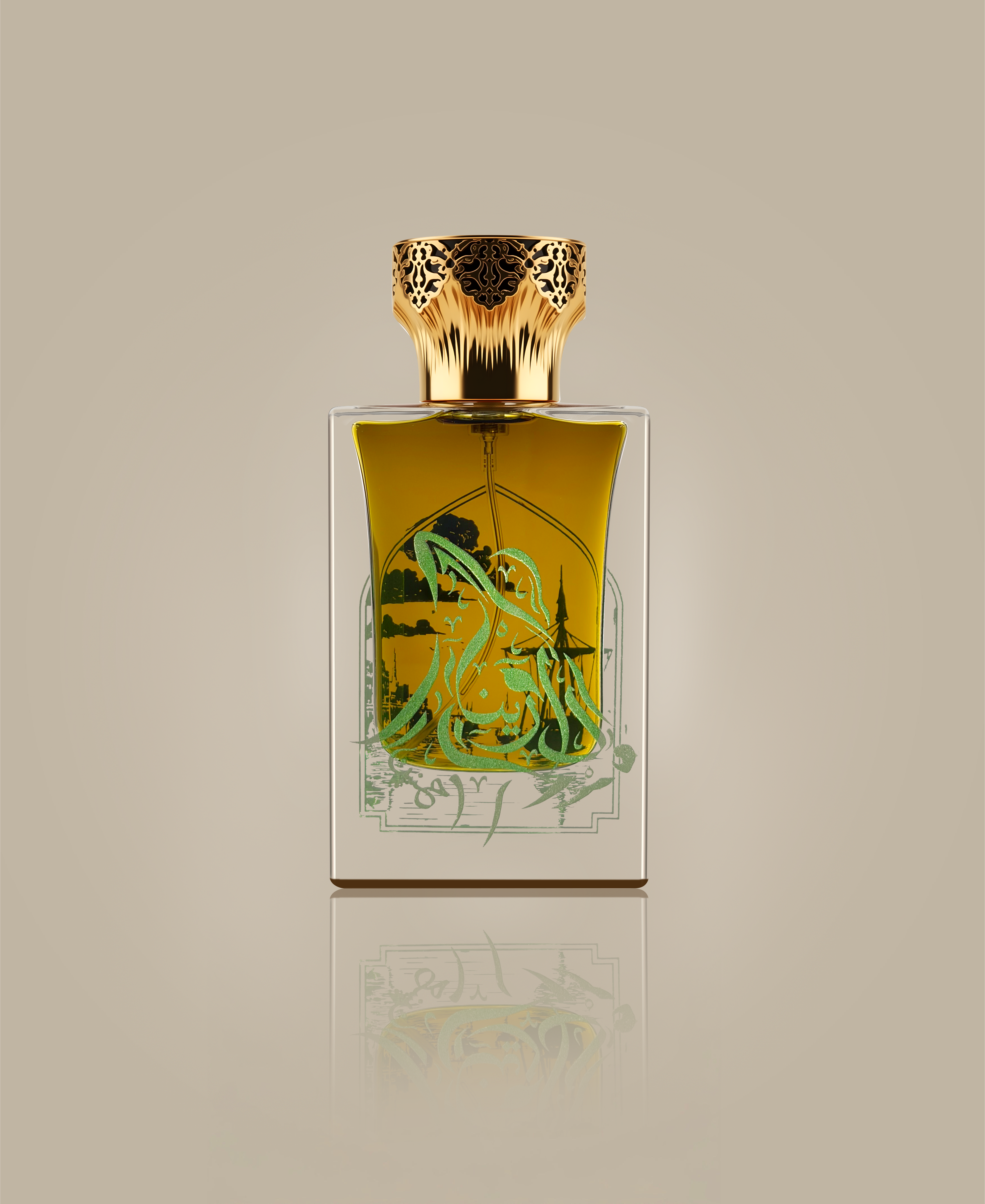
Darin was a port on the southern tip of Tarout Island, off the eastern coast of Arabia, in modern day Bahrain. For centuries it took in what crossed the water: the pearls of the Gulf, and from further east the musk and spices and cloth carried by ship. The musk that came ashore was graded and sold there until the name of the market became the name of the grade. To call a musk Darin was to say it could not be bettered.
The deer never stood at Darin, rather it lived thousands of miles away in the cold of the Himalaya, and by the time its musk reached the port it had been cut and dried and weighed, a commodity long separated from the body that made it. Costus came the same way, down the same routes from the same mountains, and the coast knew it as cargo named for its grade rather than the ground it grew on.
We've written briefly about musks journey, the study of musk published in the journal followed the material through the medicine and culture of China, Korea, India and the Islamic world, how it was weighed and priced, how physicians and jurists handled it, where it settled in scripture and verse, and it began where the trade itself began, with the grain already dry in the pod.
Darin is the part that came before. It is built on the mountain the musk was taken from: the cold of pine and cedar and camphor at the top of the air, costus and dry hay lower down where the ground turns fatty and herbaceous, and through all of it the warmth of the animal itself, held in beeswax and honey. The ambergris runs beneath, the salt of the sea the grain had to cross to reach the coast, and a thread of Taifi rose marks the place it was finally sold.
The musk deer is drawn by hand in green on the front of the bottle by Ibrahim Sincere, and the port of Darin on the back, the two ends of the route turned away from each other. The trade only ever saw the port. The deer is the part the perfume keeps reaching back toward, even as the musk, on the skin, returns to the thing the market knew.