Skip to content

Cart

Your cart is empty

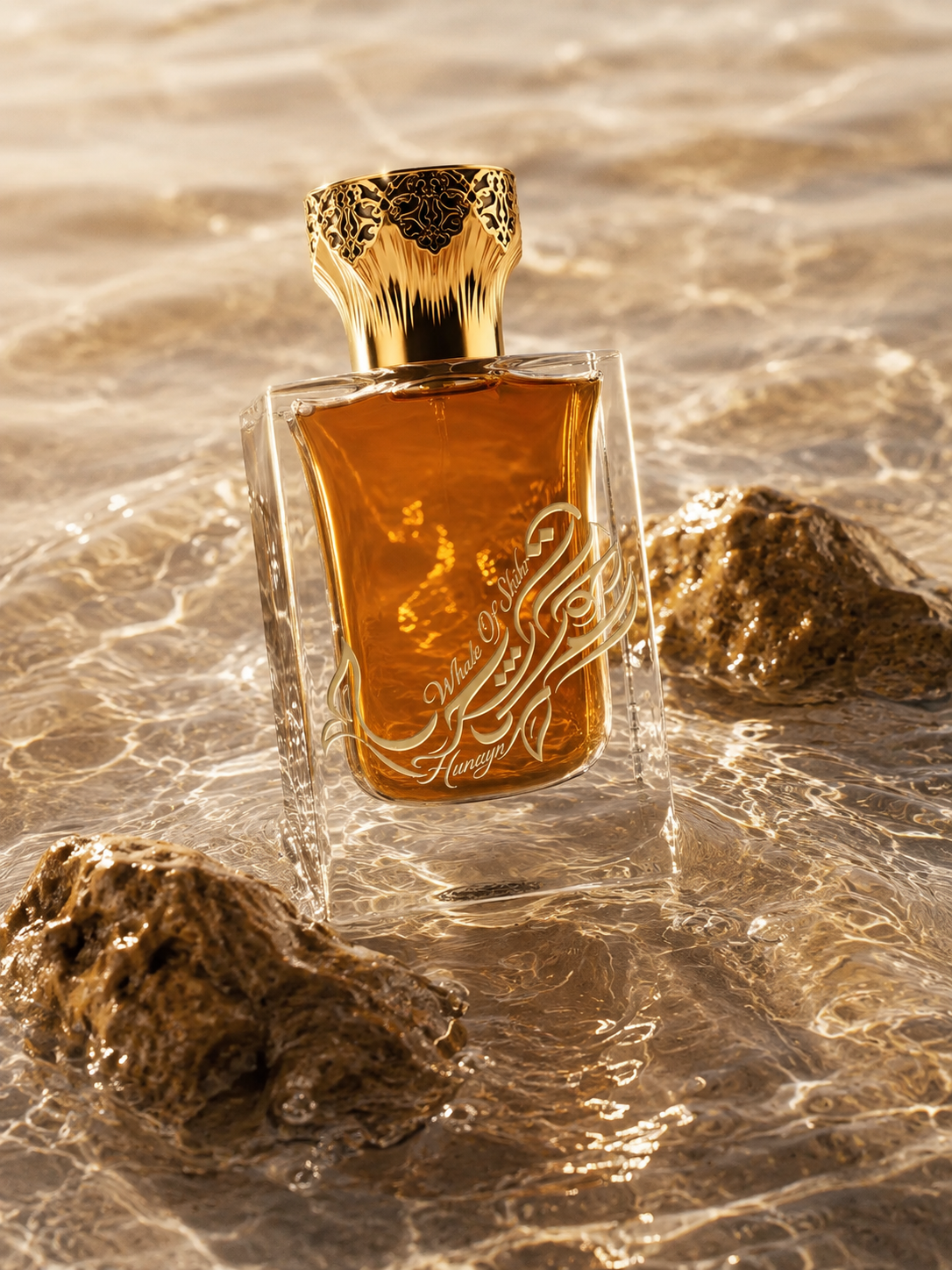
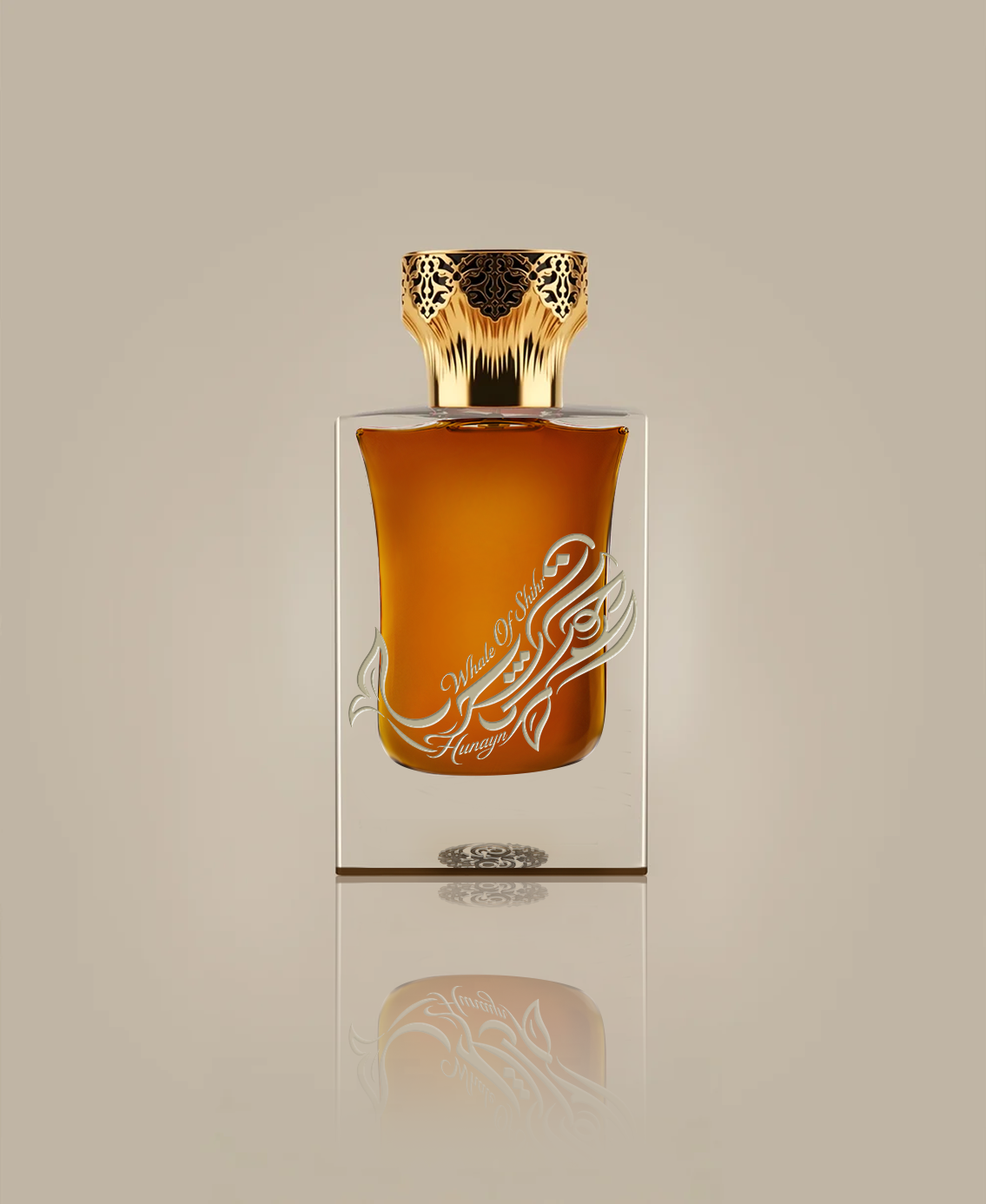
Hūt al-Shiḥr حوت الشحر

Sale price$450.00

A perfume built on ambergris and made by the sun.

White ambergris was macerated directly in the blend through the summer, sealed and left in full heat for three months. The tincture that came out of it became the perfume's primary solvent. Black ambergris sits alongside it. Ambergris accounts for roughly a fifth of the composition, which is a proportion the material is almost never given.

The perfume opens bright and sour. Citrus and orange blossom come out at full force. Frangipani then takes the lead on creaminess, carrying the other florals with it, and the composition dries down to woody patchouli. The ambergris is present at every stage without ever taking the front. It works as a contrast to each phase rather than a note within it, salt against sweetness, dryness against cream.

It performs in heat. The materials were chosen on that basis.

A Journey To Inspiration

The name came out of research, not from the bench.

While writing Ambergris: The Government of an Unknown Substance, We came to the coast of al-Shiḥr, a walled town on the Hadramawt shore with an anchorage, no docks, and fish oil as its other principal export. For the whole of the classical period the benchmark grade of ambergris in the Islamicate world was named for it: anbar shihri (عنبر شحري). Every merchant from al-Andalus to the Indian Ocean measured his material against a standard named after one of the poorer ports on the Arabian shore.

Possession of that port was contested for four hundred years. Among the powers who held it were the Kathiris, whose seat was Seiyun, deep inland in the Wadi Hadramawt. They were a power of irrigated farming and inland caravans rather than a maritime state, and they came down out of the interior to take al-Shiḥr in the 1460s, holding it intermittently, a Kathiri sultan seizing the town and its fort again as late as 1866.

None of the dynasties that fought for the harbour outlasted the name of the substance the sea left on its shore. The flags came down. The grade name did not.

The name of the perfume takes the other Arabic word. Anbar names the creature and the substance at once and has never distinguished between them. Ḥūt is the older and plainer word for the whale, the word the Quran uses for the creature that swallowed Yunus (Yunus, 10:98 context aside, the narrative sits at as-Saffat, 37:142). The perfume is named for the animal, not the commodity.

The method is called tashmis (تشميس), solar exposure, a recognised operation in the Arabic pharmaceutical tradition. It cannot be run twice the same way. The sun of one summer is not the sun of another, and the house records the batch rather than claiming the method is repeatable.